Wildness: A Playful Script Font for Editorial Design
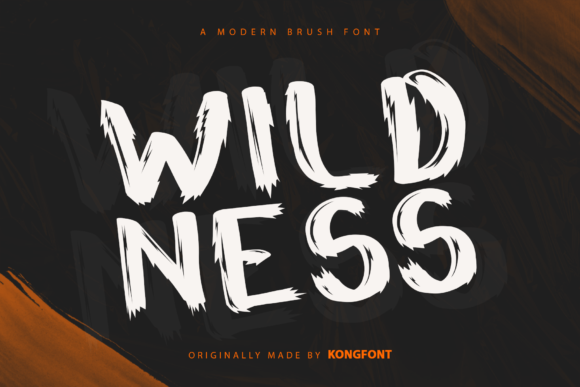
Wildness is a modern and playful handwritten script font that brings a sense of energy and creativity to any design project. Its unique character makes it ideal for editorial work, where visual appeal and readability are essential. As a freebie in the fonts category, Wildness offers designers and content creators a versatile tool for enhancing layouts, branding, and reader engagement.
With its flowing strokes and casual yet refined appearance, Wildness adds a personal touch to headings, covers, and graphic elements. It works well in both digital and print formats, making it a valuable addition to any design toolkit. Whether you're working on a blog post, magazine spread, or printable guide, Wildness can help elevate your typography without sacrificing clarity.
Using Wildness in Editorial Layouts
For editorial design, Wildness shines as a display font that can be used for headlines, section titles, and pull quotes. Its handwritten style adds warmth and approachability, making it perfect for lifestyle blogs, recipe e-books, and creative publications. When paired with a clean sans serif or readable serif font, Wildness creates a balanced visual hierarchy that guides the reader through the content.
In a digital magazine, for example, Wildness could be used for article titles, while a standard serif font handles the body text. This combination ensures that the design remains legible while maintaining an engaging aesthetic. Similarly, in a printable planner or worksheet, Wildness can add personality to headers and labels, making the content more visually appealing and easier to navigate.
Wildness for Branding and Content Identity
Wildness is more than just a font—it's a tool for building brand identity. Its playful nature makes it suitable for businesses and creators who want to communicate a friendly, creative, or artisanal vibe. Whether you're designing a wedding guide, a coaching workbook, or a digital newsletter, Wildness can help establish a consistent visual tone that resonates with your audience.
For a lifestyle blog, using Wildness in headlines and featured sections can create a cohesive look that feels authentic and inviting. In a recipe ebook, it can be used for chapter openers or title pages, adding a touch of charm to each section. The font’s versatility allows it to adapt to different contexts while maintaining a strong visual presence.
Readability and Practical Considerations
While Wildness is a script font, it remains highly readable in most sizes and applications. However, it’s best suited for short text elements rather than long paragraphs. For body copy, it’s recommended to pair it with a more structured typeface to ensure clarity and ease of reading.
When using Wildness in digital formats such as PDFs or web pages, consider how it appears on different screen sizes and devices. On mobile layouts, larger sizes and proper spacing will help maintain legibility. For print, ensure that the font is properly embedded and that the design accounts for potential variations in ink coverage or paper texture.
Font Pairing and Design Integration
Pairing Wildness with complementary fonts enhances its effectiveness in editorial design. A classic serif font like Georgia or Garamond can provide a strong contrast while maintaining a professional feel. Alternatively, a clean sans serif like Open Sans or Lato can offer a modern, minimalist balance that complements the font’s handcrafted look.
For social media graphics or web banners, Wildness can be used as an accent font to draw attention to key messages or calls to action. In packaging design or logo creation, it can add a personal and artistic flair that sets your brand apart. Its flexibility makes it a go-to choice for a wide range of creative projects.
Commercial Use and Licensing
As a freebie in the fonts category, Wildness is available for personal and commercial use, depending on the specific license terms. For creators producing ebooks, templates, printables, or paid newsletters, it’s important to verify the font’s commercial licensing to ensure compliance. Many free fonts come with restrictions that limit their use in certain contexts, so always review the terms before incorporating them into professional projects.
When using Wildness in client work or published materials, make sure that the font is properly licensed for the intended purpose. This helps avoid legal issues and ensures that your designs remain compliant and professional.
Wildness in Action: Real-World Examples
Imagine a digital magazine focused on wellness and self-care. Using Wildness for cover titles and section headers can create a warm, inviting atmosphere that aligns with the publication’s theme. In a printable worksheet for a creative course, Wildness can be used for instructions or motivational quotes, adding a personal and encouraging tone to the content.
For a wedding guide, Wildness could be used for chapter titles and decorative elements, giving the document a custom, handmade feel. In a coaching newsletter, it can highlight key takeaways or featured articles, making the content more engaging and visually dynamic.
Whether you're designing for print, web, or digital platforms, Wildness offers a fresh and expressive way to enhance your editorial work. Its playful character and functional design make it a valuable asset for publishers, bloggers, and designers looking to create content that stands out.